Trees add character to a yard, shade in summer, and windbreak in winter. They also bring responsibility, and that responsibility can be expensive when pruning, stump grinding, transplanting, or emergency removal becomes necessary. If you live in New Albany and you are searching for tree service in New Albany Indiana, a little planning and local knowledge will shrink your bills without compromising safety or long term health of your trees. Below I lay out practical, experience-tested ways to cut costs, what to watch for when hiring, and how to make smart investments that pay back over years.
Why saving on tree work matters here The Ohio River valley climate favors large, fast-growing species. Those trees look great quickly, but they also outgrow spots, develop structural defects, or interfere with power lines faster than trees in drier climates. That means homeowners in New Albany face more frequent pruning and, occasionally, removals. Poorly timed cuts or bargain labor can create hazards, invite disease, or require repeat work sooner than expected. The point is not to be stingy. The point is to be strategic, so every dollar spent reduces long term costs and risk.
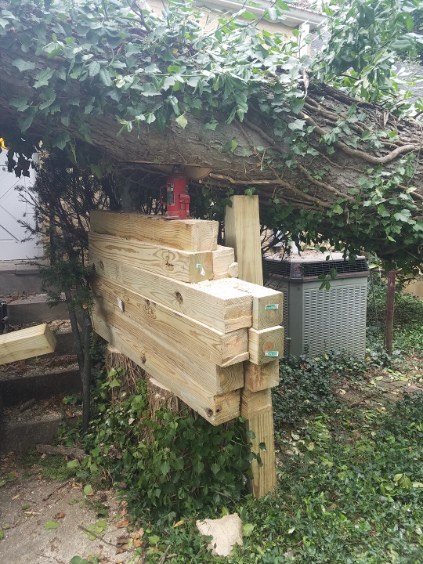
Plan ahead, and schedule rather than scramble Emergency calls are the most expensive. Climbs at night, storm damage, and urgent removals push prices up because companies must reallocate crews and use overtime. If you budget annually for tree care, you avoid those peaks.
Start by walking your property each spring and fall. Note dead limbs, thinning crowns, and roots that lift sidewalks. Photograph problem areas and timestamp them on your phone. When you submit a quote request for tree trimming services, having dated photos gives crews context, prevents surprise upsells, and yields more accurate bids. A measured, photographed approach helps you compare apples to apples between different tree care services.
Do routine maintenance that reduces major interventions Small investments now lower the chance of a large bill later. Proper pruning, mulching, and watering save money.
Prune for structure when trees are young, ideally by age 5 to 10 for most species. Structural pruning costs less because branches are smaller, and it prevents the common problem of codominant stems that often require removal later. Mulch correctly — three inches max around the root flare, not piled against the trunk. Hundreds of dollars in stump removal or root excavation are sometimes driven by root flare rot from bad mulching. Water deeply in dry spells rather than frequent shallow watering. A healthy, well-shaped tree resists disease and wind damage, which reduces emergency work.
Shop local, but not only on price Local crews understand New Albany soil, common pests, and municipal permit requirements. A crew that has worked across Floyd County will recognize a river-bottom species mix and will price accordingly. That said, the lowest bid is rarely the best value. Ask each prospective provider for an itemized estimate. That will show labor, equipment, hauling, stump grinding, and disposal separately so you can see what drives the price.
If a bid looks unusually low, probe. Are they omitting cleanup? Are they using spike-clad climbing rather than roped descent which risks more bark damage? Do they plan to chip material on site or haul it off? If you want to save money, ask if you can keep the chips. Hauling and disposal add time and cost. Accepting chips for your compost or as garden mulch reduces the invoice and keeps material on-site.
Timing affects cost Tree services are busiest during spring and after storms. Booking in late winter for spring work or in autumn for winter work often gets you a better rate than calling during peak demand. For non-urgent pruning, targeting late winter to early spring is usually ideal for both tree health and scheduling.
If you need a large removal, schedule it in winter when leaves are down and ground is firmer. Equipment moves more easily and crews can work faster when visibility is better, which reduces labor time and expense.
Use measured DIY where safe There are tasks you can safely do yourself that cut the bill. Light pruning of small, accessible branches with hand pruners or a pole saw is inexpensive and keeps trees tidy between professional visits. Removing volunteer saplings or small dead trees under four inches in diameter is reasonable for most homeowners. Use proper tools and protective gear, and never attempt any climb or work near power lines.
If you are unsure, take pictures and ask a professional for a consultation quote. Many local companies offering tree service in New Albany Indiana will provide a low-cost inspection and a written plan. That small fee is often worth it because it converts vague concerns into a prioritized list you can act on over time.
Negotiate scope rather than price Instead of asking a contractor to lower their hourly rate, negotiate the scope to reduce cost. For example, ask them to focus on hazard pruning and leave aesthetic crown thinning for later. Another option is to schedule multi-year maintenance: prune half the tree this Browse around this site year, the other half next year. That spreads the cost and is sometimes better for tree health than heavy one-time topping.
Carefully consider stump removal vs stump grinding vs leaving it Stump removal that excavates the root ball is typically the most expensive option because it requires heavy equipment and fills. Stump grinding is cheaper, faster, and sufficient in most yards unless you plan immediate landscaping over the exact spot or have persistent sucker growth.
If you will seed or install a patio over the area, ask for grinding to zero inches below grade and confirm the contractor will remove grindings or leave them for you. Leaving grindings on-site saves money but you may need to pay to haul them away later if you want clean soil for planting.
A small checklist for saving money on tree work
- Schedule non-urgent work in late winter or early spring to avoid peak rates. Keep chips and mulch for on-site use to reduce disposal fees. Ask for an itemized estimate and negotiate scope instead of hourly rate. Do simple pruning and volunteer tree removal yourself when safe. Prioritize structural pruning for young trees to avoid costly removals later.
Know the right questions to ask before hiring Before you sign anything, ask these direct questions and expect clear answers. A reputable company will be transparent.
- Are you insured for general liability and workers compensation, and can you provide certificates? Will the crew use ropes and rigging when needed, or will they climb with spikes that can damage the tree? How will you protect my lawn, driveway, and hardscapes during work? What is included in cleanup and disposal, and is there an option to keep wood chips? Do you require a permit for removal and will you handle it or advise me?
Understanding these items saves you money by avoiding hidden fees and by preventing property damage that becomes your expense later. Cummins Tree Service and similar local providers usually have standard answers to these questions; if a contractor hesitates, move on.
Watch for opportunistic upsells and unnecessary work A common tactic is to point out minor cosmetic issues and recommend extensive work. If a technician insists on removing a tree that looks fine besides one dead limb, request a second opinion. If a company recommends fertilization, ask for soil test results first. Many trees do not need regular fertilization, and blanket fertilizer applications are an easy upsell.
Also, be skeptical of "stump killer" services that promise to chemically dissolve a stump overnight. Chemicals take time and may not be appropriate near desired plants or well water. Grinding is a one-time, predictable cost and usually the better choice.
Bundle services strategically If you have multiple trees, bundling several jobs into one visit is often cheaper. Crews already mobilizing equipment can do two or three smaller jobs for less than the sum of separate visits. Ask about volume discounts when you request bids. If you have planned landscaping that includes tree transplanting or removal, coordinate with your landscaper so they can combine efforts and split costs.
Consider transplanting instead of removal when feasible For certain species and sizes, transplanting a healthy tree to a new location can be cheaper than full removal plus replacement planting. Tree transplanting is not always possible, and costs depend heavily on size and species, but if you are attached to a mature specimen, explore this option. A qualified arborist can assess rootball size and survival probability. Transplanting in early spring or late fall gives the best chance of success in this region.
Keep records and create a maintenance plan A simple maintenance log saves money in the medium term. Record dates of pruning, treatments, transplanting, and any pest observations. Note the crews and companies you’ve used. When a problem recurs, you can show patterns to a contractor, preventing redundant diagnostics and guesswork. A three-year maintenance plan that staggers pruning can reduce emergency work and smooth out your expenses.
Safety considerations that justify spending Saving money should never mean cutting corners on safety. Removing large trees or heavy limbs is dangerous. Expect to pay for a crew that uses proper rigging, chippers, and PPE. Cheap labor without the correct equipment increases the risk of property damage and personal injury, and that cost, shouldered by you, can be catastrophic.
Beware of DIY extremes. Renting a crane or attempting to remove a large trunk with a chainsaw without proper experience is a recipe for ruin. For large diameter removals or work near structures, hire professionals.
How to find trusted local providers Start with neighborhood references. Social media neighborhood groups and local next-door apps can identify providers who show up on time and clean up well. Check licensure and insurance, and look for companies that will provide a written contract. Cummins Tree Service is one option you may encounter in searches for reliable tree service in New Albany Indiana; use their references as you would those of any company.
Request three bids, and compare them on the same scope. If possible, meet the crew leader and ask for a timeline. Expect a professional estimate to be clear about payment terms and liability for damages. Beware of cash-only offers that come with no written agreement.
When to pay less and when to pay more If you have a small, routine job like raising lower limbs for visibility or clearing a small dead branch, you should be able to find an inexpensive crew or tidy it yourself. When the work involves large trees, proximity to power lines, or work above structures, you should expect to pay more. The extra cost buys competence, rigging, and insurance.
A pragmatic approach is to budget a small emergency fund each year for tree care so when a real emergency occurs you are prepared to pay for safe, immediate service without taking a risky bargain.
Closing persuasion: invest smart, not cheap Saving on tree service in New Albany Indiana is a mix of planning, local knowledge, and good vendor selection. Schedule ahead, prioritize preventative pruning, accept manageable DIY tasks, and insist on itemized bids. Use mulch and chips to reduce disposal fees, and bundle jobs when possible. Most important, treat safety and proper technique as non-negotiable. That combination will lower your long term costs and keep your trees healthy for decades.
If you want, I can review quotes you receive and point out where you might pare scope, or provide a short checklist you can hand to contractors when requesting bids.
Cummins Tree Service
10245 Lotticks Corner Rd SE, Elizabeth, IN 47117
(502) 492-4208
[email protected]
Website: https://cumminstreeservice.com/